’m sixty-five now, and when I look back, so much of my life is tied to the man I once called my husband. Daniel Hayes and I were married for thirty-seven years—years filled with routines, small arguments, shared dreams, and quiet sacrifices that never made it into photographs. I believed, with
unshakable certainty, that no matter what life threw at us, we would face it side by side.
That belief shattered on a dull, overcast morning in a Cleveland courthouse.
The divorce was quick—cold, almost mechanical—like just another case to process. When it was over, Daniel reached into his coat pocket and handed me a simple bank card. His face was unreadable, the same expression he used when discussing bills or groceries.
“This should help you for a while,” he said. “There’s three hundred dollars on it.”
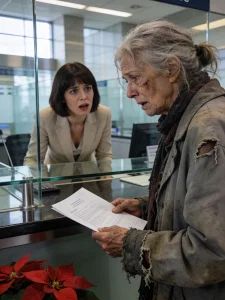
Three hundred dollars.
After thirty-seven years.
The number hit harder than any harsh word ever could. I stood there, stunned, as he turned and walked away without looking back. The sound of his footsteps lingered long after he was gone.
I kept the card—not because I wanted the money, but because throwing it away felt like admitting I truly meant nothing.
After the divorce, my world shrank into survival. I rented a damp little room behind an old grocery store. The walls smelled of mildew, and the pipes clanged through the night. I took whatever work I could find—cleaning offices before sunrise, watching cars during events, collecting bottles for spare change. Pride stopped being something I could afford, but I held onto what little dignity I had left.